Invisible Ocean Crisis: Monitoring the Impact of Every Oil Spill to Save Marine Life
“More than 10 marine oil spills occur every day globally. We can detect them with satellites – but we cannot quantify their ecological impact. If we can quantify it, we will be able to mitigate it.”
– Prof. Igal Berenshtein
The Project
Under Prof. Igal Berenshtein’s leadership, the Department of Marine Biology plans to establish a Global Virtual Center for Marine Oil Pollution Assessment, a groundbreaking initiative that will systematically bridge critical gaps in understanding oil spill impact on ocean ecosystems.
Despite advances in remote sensing technology, three essential knowledge gaps persist in marine oil pollution assessment:
Oil concentration mapping: Tracking oil concentrations over time and space.
Species identification: Determining which species are present in polluted areas.
Sensitivity assessment: Understanding each species’ vulnerability to oil pollution.
Building on Igal’s pioneering research into oil’s effects on marine wildlife, this center will generate vital data to accurately assess ecological damage from every oil pollution incident globally through an automated web application.
Fundraising Goals
Philanthropic partnership is sought to establish this transformative center that will revolutionize how we understand and respond to marine oil pollution. Your investment will create lasting impact:
Measuring the true damage oil spills cause to marine life worldwide
Protecting ocean ecosystems through critical data that enables action
The three-year initiative requires funding for two postdoctoral researchers and an IT/web developer to create the advanced application quantifying marine oil pollution globally.
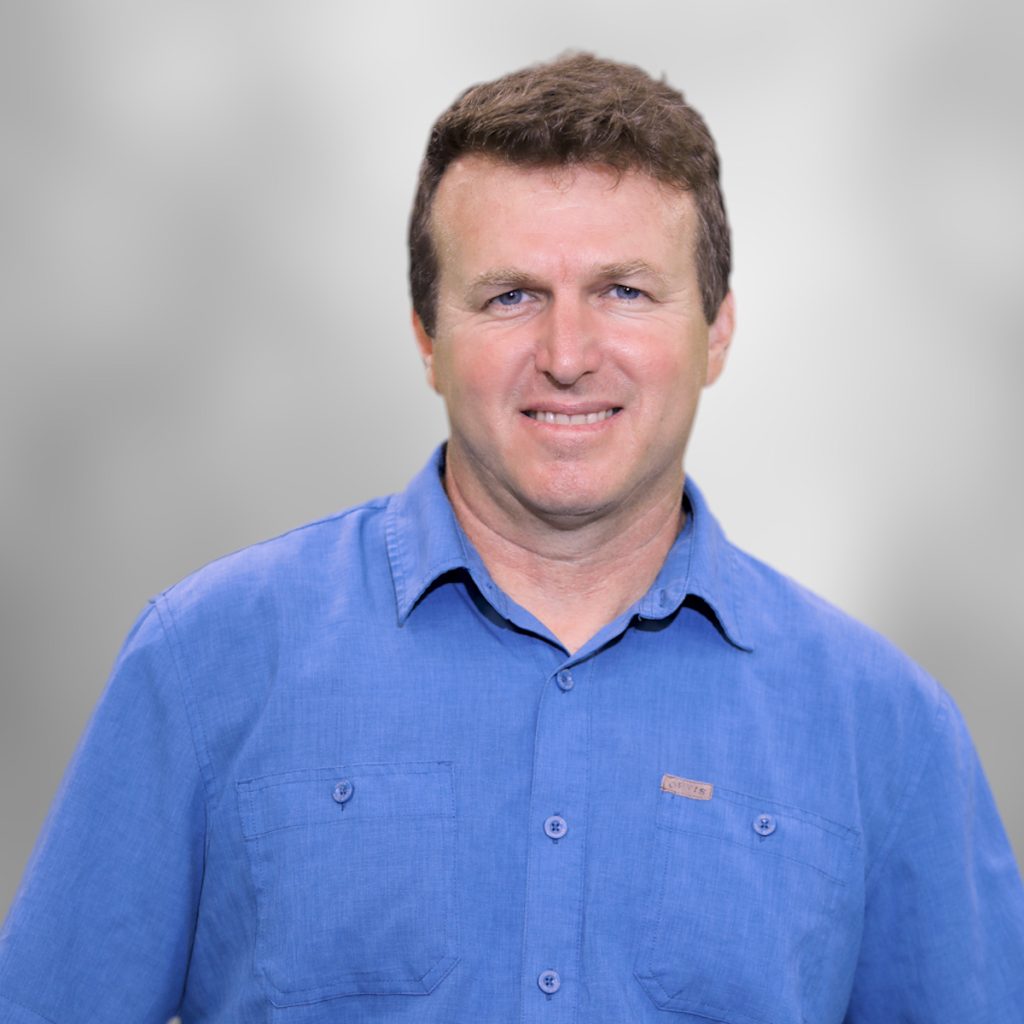
Meet Igal Berenshtein
I am a marine ecologist and biological oceanographer dedicated to understanding the fragile world beneath the sea’s surface. A key focus of my research is examining how oil pollution affects marine environments. I study the early life stages of fish – tiny beginnings that are crucial to the health of entire ecosystems. These sensitive, often overlooked stages are vital for the future of marine populations and remain some of the greatest mysteries in ocean science.
In my laboratory, I combine experiments, field observations, and computer models to explore how oil spills influence marine life. My team investigates how oil impacts the behavior of young fish and how these effects ripple through larger populations and ecosystems. Through my work, I aim to highlight the delicate balance of ocean life and emphasize the importance of protecting our oceans from pollution.
אתר זה עושה שימוש שימוש בקבצי עוגיות (COOKIES) וטכנולוגיות מעקב לצורך תפעולו התקין ואבטחתו וגם למטרות נוספות כמו שיפור חווית הגלישה, ניתוח נתונים סטטיסטיים פרסום מותאם אישית או מבוסס העדפות. אנו לא נתקין באמצעות האתר על מכשירך עוגיות וטכנולוגיות מעקב נוספות שאינן הכרחיים לתפעול הטכני של האתר ללא הסכמתך. למידע נוסף אנא עיין בחלק "נתונים שאינם מידע אישי אשר אנו אוספים באתר" במדיניות הפרטיות שלנו.
"This website uses cookies and tracking technologies for its proper functioning and security, as well as for additional purposes such as improving your browsing experience, statistical data analysis, and personalized or preference-based advertising. We will not install on your device any cookies or tracking technologies that are not strictly necessary for the technical operation of the site without your consent. For more information, please refer to the section “Non-Personal Data we Collect" in our privacy policy